
My Garage
My Account
Cart
This part fits
2005 Infiniti FX35 Wagon; Automatic Transmission
Check another vehicle- Production Date: 11/2002-08/2006
- Fitting Vehicle Options: W
Infiniti 28890-CG010 Window Wiper Blade Assembly
2003-2007 Infiniti 28890CG010
Customer Questions & Expert Answers (1)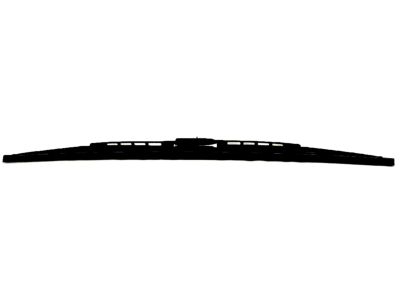
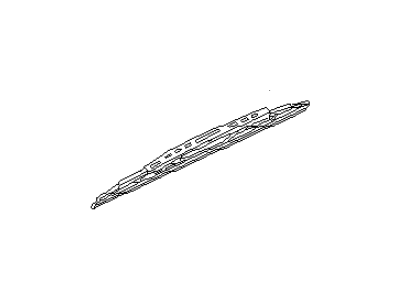
- Part DescriptionBlade Assy-Windshield Wiper
- Lookup Code26370+A
- Replaced By
- ManufacturerInfiniti
- Manufacturer's NotesThis part is discontinued.
This part fits
2005 Infiniti FX35 Wagon; Automatic Transmission
Check another vehicle- Production Date: 11/2002-08/2006
- Fitting Vehicle Options: W
- Related Parts
- Specifications
- Q&A
Product Specifications
Brand Genuine Infiniti Lookup Code 26370+A Manufacturer Part Number 28890-CG010 Part Description Blade Assy-Windshield Wiper Item Dimensions 20.3 x 2.0 x 0.7 inches Item Weight 0.60 Pounds Condition New Fitment Type Direct Replacement Manufacturer Infiniti SKU 28890-CG010 Warranty This genuine Infiniti part is guaranteed by Infiniti's factory warranty. Shipping & Return Shipping Policy Return Policy Warning: California's Proposition 65Customer Questions & Expert Answers
- Installation & Repair Tips by AI Expert
- Removal steps 1. Park on level ground, set the parking brake, turn off the ignition and remove the key or disable accessory power. 2. In most vehicles disconnect the negative battery terminal to remove electrical power to the wiper system before working near the arms. 3. If fitted, flip up or remove any plastic cap covering the wiper arm pivot-some designs have caps and some do not. 4. Support the wiper arm with one hand and carefully lift it away from the glass as permitted by the arm design; if the arm does not lift fully, stop and work within the available clearance. 5. Identify the blade-to-arm attachment type (hook, pin, bayonet, or push-button) - different designs require different release actions. 6. Release the blade from the arm using the appropriate method (e.g., press the release tab, depress the button, or unhook), keeping the arm supported so it cannot snap back onto the windshield. 7. Remove the old blade and any adapter hardware, and inspect the arm hook/adapter for damage or corrosion. 8. Clean the wiper arm contact area and windshield where the blade rests before installing the new blade. Installation steps 1. Confirm the replacement blade matches the original mounting style and length for proper fitment. 2. If the new blade includes adapter pieces, assemble them per the blade manufacturer's instructions for the arm type you have. 3. With the arm supported, attach the new blade to the arm until it engages securely-listen or feel for the retaining click or engage point appropriate to the design. 4. Gently lower the wiper arm back toward the windshield, keeping a cloth or padded protection in place beneath the arm in case it snaps down. 5. Reinstall any pivot caps that were removed. 6. Reconnect the negative battery terminal to restore electrical power. 7. Start the vehicle (or turn the ignition to accessory) and operate the wipers to confirm smooth, full travel, correct park position, and that the blade makes uniform contact without streaking or clearance interference. 8. Repair tip: if the blade skips or streaks, recheck seating and adapter orientation, and ensure the arm isn't bent; protecting the windshield with a cloth during work prevents accidental chips.
Why choose Infiniti Parts Deal
- Dedicated Service
Your complete satisfaction is our #1 goal
- Lowest Prices
Best deals on genuine OE parts from dealerships
- Fast Delivery
Orders are processed and delivered promptly