
My Garage
My Account
Cart
This part fits
1993 Infiniti J30
Check another vehicle- Production Date: 01/1992-06/1994
- Fitting Vehicle Options: VG30DE
Infiniti 16400-10Y00 STRAINR Fuel
1993-1997 Infiniti J30 1640010Y00
Customer Questions & Expert Answers (1)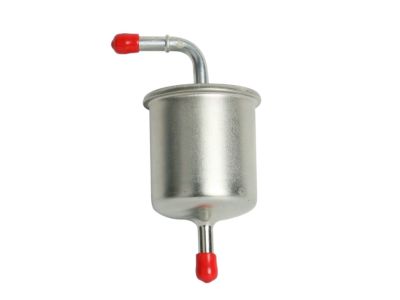
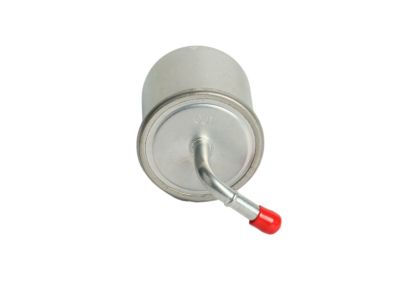
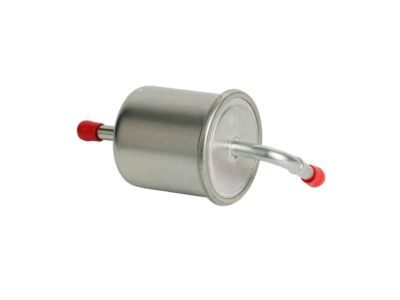
- Part DescriptionStrainer Assy-Fuel
- Lookup Code16400
- Replaced By
- ManufacturerInfiniti
This part fits
1993 Infiniti J30
Check another vehicle- Production Date: 01/1992-06/1994
- Fitting Vehicle Options: VG30DE
$19.20 MSRP: $28.85
You Save: $9.65 (34%)
Ships in 1-3 Business Days
1
- Related Parts
- Specifications
- Q&A
Product Specifications
Brand Genuine Infiniti Lookup Code 16400 Manufacturer Part Number 16400-10Y00 Part Description Strainer Assy-Fuel Item Dimensions 6.9 x 3.6 x 3.5 inches Item Weight 0.70 Pounds Condition New Fitment Type Direct Replacement Manufacturer Infiniti SKU 16400-10Y00 Warranty This genuine Infiniti part is guaranteed by Infiniti's factory warranty. Shipping & Return Shipping Policy Return Policy Warning: California's Proposition 65Customer Questions & Expert Answers
- Installation & Repair Tips by AI Expert
- Removal steps 1. Wear safety glasses, gloves, and work in a well-ventilated area away from open flames or sparks. 2. Relieve fuel system pressure - the method varies by design (consult general shop procedures); common methods include removing the fuel pump fuse/relay and cranking the engine or using a service port. 3. Disconnect the negative battery cable to eliminate electrical hazards. 4. Clean the area around the filter connections to keep dirt out of the fuel system. 5. Place a suitable catch container and absorbent rags under the filter to catch spilled fuel. 6. Disconnect fuel lines from the filter - lines may use hose clamps, quick-connect fittings, or threaded fittings; use the correct tool and follow the fitting type's removal procedure. 7. Cap or plug the open fuel lines immediately to minimize spillage and contamination. 8. Remove any mounting bracket hardware or retaining clips holding the filter and free the filter from its mount (methods vary by design). 9. Remove the filter and dispose of it and any drained fuel according to local regulations. Installation steps 1. Compare the new filter to the old one and note the flow direction arrow; install so fuel flows in the correct direction. 2. Replace any seals, O-rings, or quick-connect retainers with new parts if provided or recommended. 3. Clean and inspect hose ends and fittings; replace hoses that are cracked, swollen, or damaged. 4. Install the filter into the mounting bracket and secure the bracket hardware as required by the vehicle's design. 5. Reconnect fuel lines, making sure fittings fully engage and clamps or quick-connects are properly seated; use new clamps if old ones are corroded or damaged. 6. Remove line caps/plugs, ensure everything is clean, then reconnect the negative battery cable. 7. Prime the fuel system by cycling the ignition to ON (do not start) several times to allow the pump to build pressure, then inspect all connections for leaks. 8. Start the engine and observe for leaks and proper idle; if you detect leaks or faults, shut the engine off and recheck connections. 9. Clean up spilled fuel, properly dispose of the old filter and contaminated rags, and recheck for leaks after a short test drive. Repair tip: Use a small amount of clean fuel or approved lubricant on replacement O-rings to ease installation and avoid twisting lines when reconnecting.
Why choose Infiniti Parts Deal
- Dedicated Service
Your complete satisfaction is our #1 goal
- Lowest Prices
Best deals on genuine OE parts from dealerships
- Fast Delivery
Orders are processed and delivered promptly