
My Garage
My Account
Cart
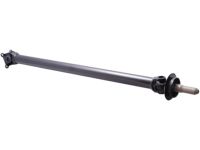
Genuine Infiniti Drive Shaft
Axle Shaft- Select Vehicle by Model
- Select Vehicle by VIN
Select Vehicle by Model
orMake
Model
Year
Select Vehicle by VIN
For the most accurate results, select vehicle by your VIN (Vehicle Identification Number).
117 Drive Shafts found
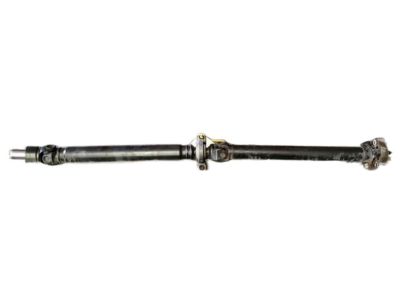
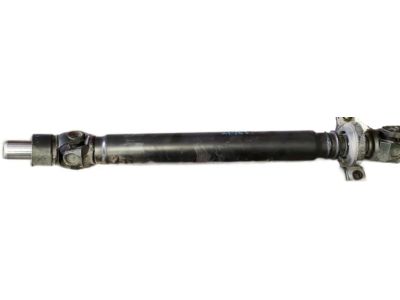
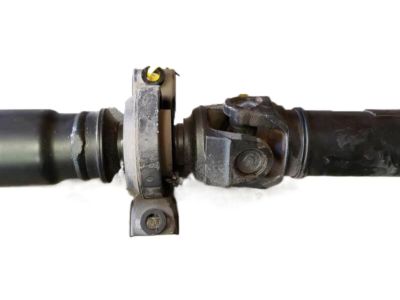
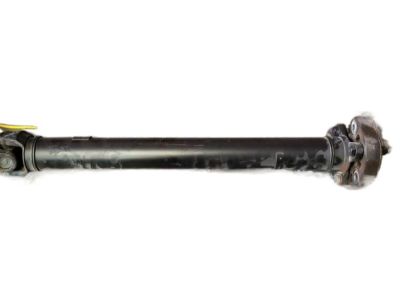
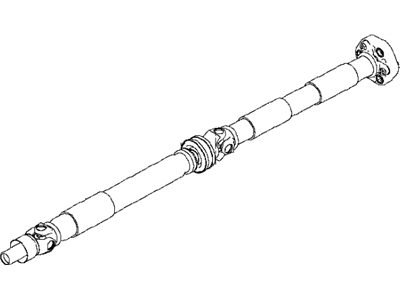
Infiniti Propeller Shaft Assembly
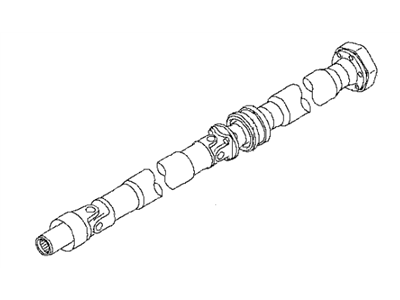
Part Number: 37000-4GZ0A$1289.63 MSRP: $1574.64You Save: $285.01 (19%)Ships in 1-3 Business DaysProduct Specifications- Other Name: Propeller Shaft Assy; Drive Shaft
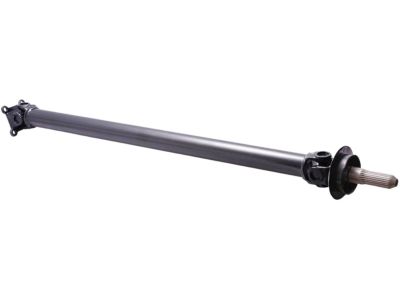
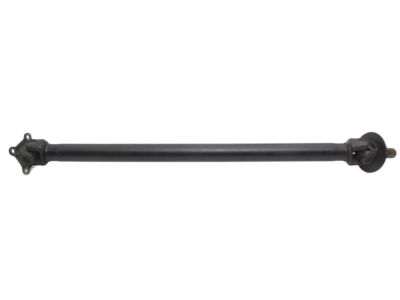
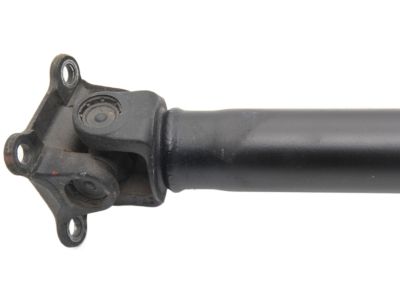
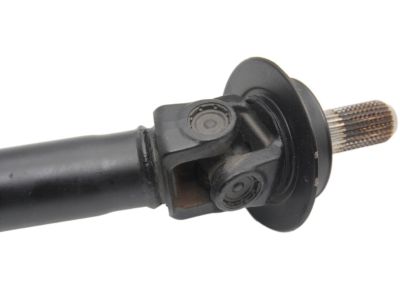
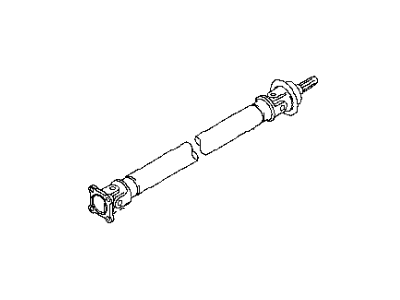
Infiniti Shaft Assembly-Front PROPELLER
Part Number: 37200-1CA1A$874.17 MSRP: $1199.13You Save: $324.96 (28%)Ships in 1-3 Business DaysProduct Specifications- Other Name: Propeller Shaft Assy-Front; Drive Shaft, Drive Shaft Assembly
- Position: Front
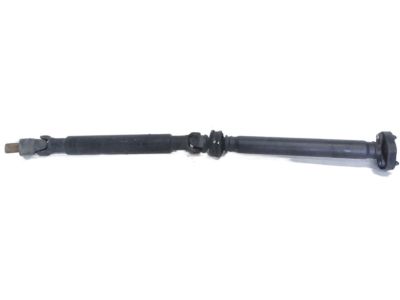
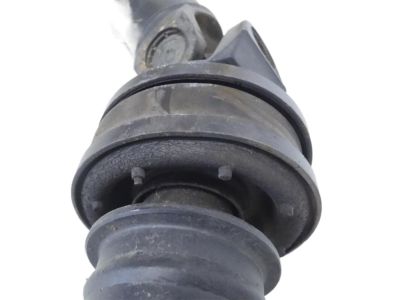
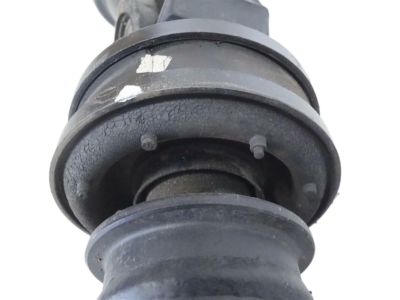
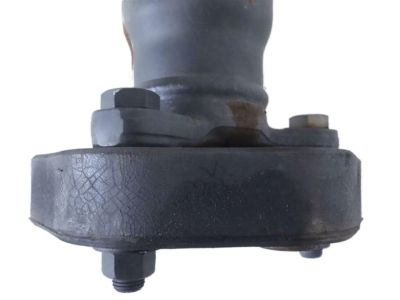
Infiniti Propeller Shaft Assembly
Part Number: 37000-JJ50A$1113.74 MSRP: $1527.77You Save: $414.03 (28%)Ships in 1-3 Business DaysProduct Specifications- Other Name: Propeller Shaft Assy; Drive Shaft, Drive Shaft Assembly
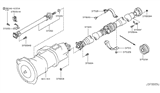
Infiniti Shaft Assembly-Front PROPELLER
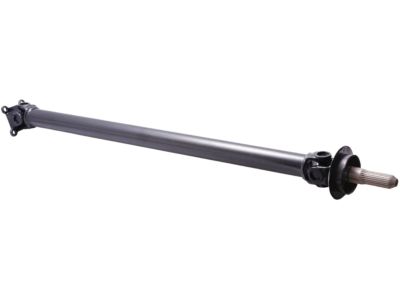
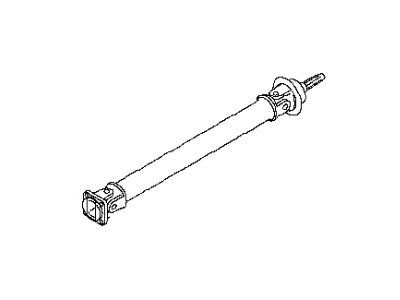
Part Number: 37200-CG100$784.66 MSRP: $1076.35You Save: $291.69 (28%)Ships in 1 Business DayProduct Specifications- Other Name: Propeller Shaft Assy-Front
- Position: Front
- Replaced by: 37200-CL70A
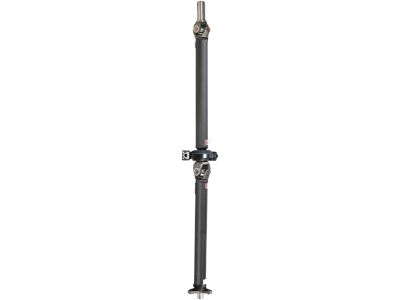
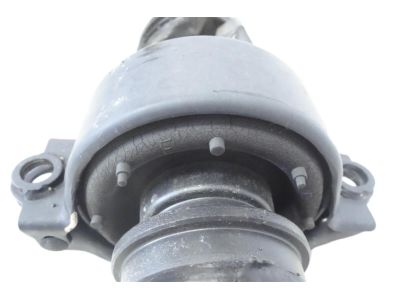
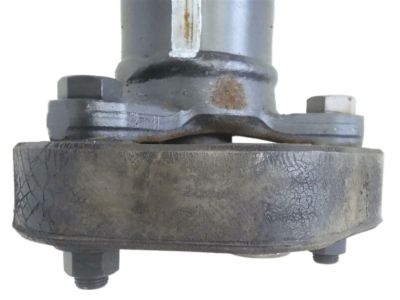
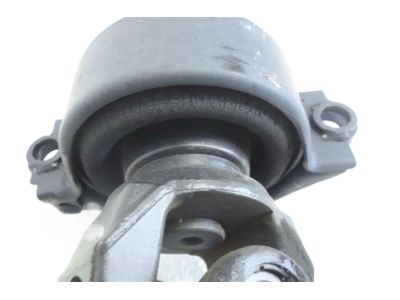
Infiniti Propeller Shaft Assy
Part Number: 37000-4GB1A$1301.66 MSRP: $1536.79You Save: $235.13 (16%)Ships in 1-2 Business DaysProduct Specifications- Other Name: Propeller Shaft Assy. This item is non-returnable.; Drive Shaft
- Replaces: 37000-4GB0A
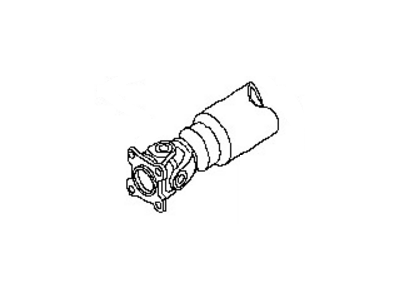
Infiniti Propeller Shaft Assy
Part Number: 37000-3JA2B$984.17 MSRP: $1350.03You Save: $365.86 (28%)Ships in 1-3 Business DaysProduct Specifications- Other Name: Drive Shaft
- Replaces: 37000-3JA2A
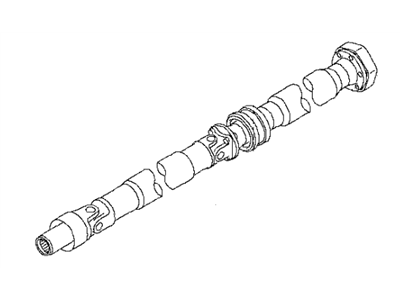
Infiniti Propeller Shaft Assembly
Part Number: 37000-1LA0A$1536.22 MSRP: $1875.73You Save: $339.51 (19%)Ships in 1-3 Business DaysProduct Specifications- Other Name: Propeller Shaft Assy; Drive Shaft
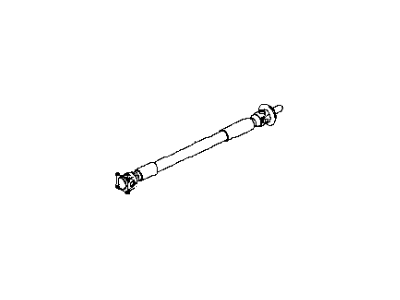
Infiniti PROPELLER Shaft
Part Number: 37200-5CA0B$1100.86 MSRP: $1510.10You Save: $409.24 (28%)Ships in 1-3 Business DaysProduct Specifications- Other Name: Propeller Shaft Assy-Front; Drive Shaft
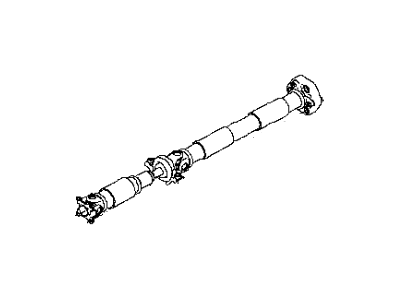
Infiniti Propeller Shaft Assy-Rear
Part Number: 37300-4GB1B$2016.06 MSRP: $2461.61You Save: $445.55 (19%)Ships in 1-3 Business DaysProduct Specifications- Other Name: Drive Shaft
- Position: Rear
- Replaces: 37300-4GB0B
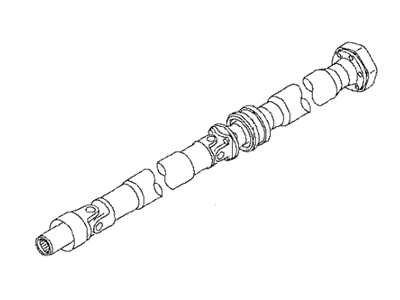
Infiniti Propeller Shaft Assembly
Part Number: 37000-1FN1A$1473.26 MSRP: $1739.39You Save: $266.13 (16%)Ships in 1-2 Business DaysProduct Specifications- Other Name: Propeller Shaft Assy. This item is non-returnable.; Drive Shaft, Drive Shaft Assembly
- Manufacturer Note: VQ37VHR
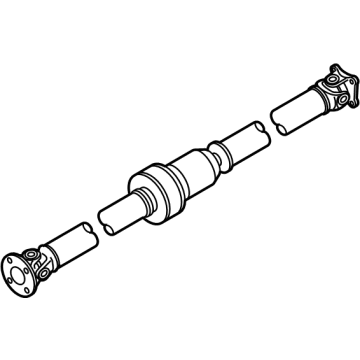
Infiniti PROPELLER SHAFT ASSY
Part Number: 37000-6SB0B$1131.19 MSRP: $1551.70You Save: $420.51 (28%)Ships in 1-3 Business DaysProduct Specifications- Other Name: Drive Shaft
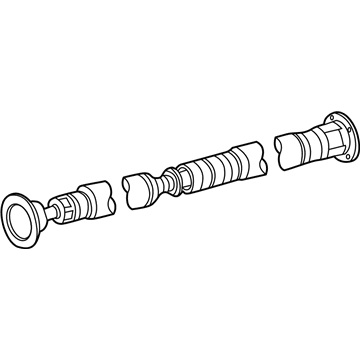
Infiniti Propeller Shaft Assembly
Part Number: 37000-5NA0B$1532.76 MSRP: $1871.50You Save: $338.74 (19%)Ships in 1-3 Business DaysProduct Specifications- Other Name: Shaft Assembly PROPELLER; Drive Shaft, Drive Shaft Assembly
- Replaces: 37000-5NA0A
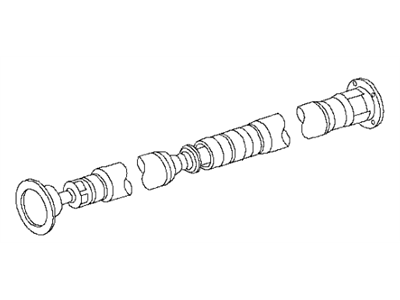
Infiniti Propeller Shaft Assembly
Part Number: 37000-5NA0A$1532.76 MSRP: $1871.50You Save: $338.74 (19%)Ships in 1-3 Business DaysProduct Specifications- Other Name: Shaft Assembly PROPELLER
- Replaced by: 37000-5NA0B
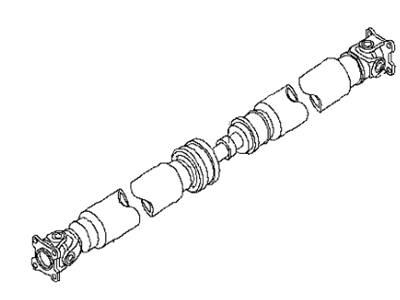
Infiniti Propeller Shaft Assembly
Part Number: 37000-3JA1A$1167.34 MSRP: $1601.28You Save: $433.94 (28%)Ships in 1-3 Business DaysProduct Specifications- Other Name: Propeller Shaft Assy; Drive Shaft
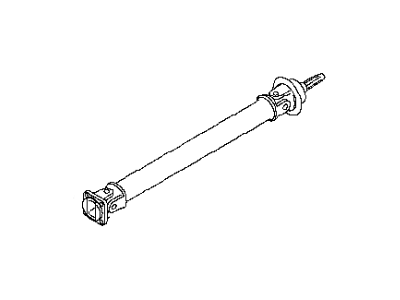
Infiniti Shaft Assembly-Front PROPELLER
Part Number: 37200-CL70A$784.66 MSRP: $1076.35You Save: $291.69 (28%)Ships in 1-3 Business DaysProduct Specifications- Other Name: Propeller Shaft Assy-Front; Drive Shaft
- Position: Front
- Replaces: 37200-CG100
Infiniti Propeller Shaft Assy-Front
Part Number: 37200-4GA0B$1367.73 MSRP: $1670.00You Save: $302.27 (19%)Ships in 1-3 Business DaysProduct Specifications- Other Name: Drive Shaft
- Position: Front
Infiniti Propeller Shaft Assy
Part Number: 37000-4HZ0A$1192.76 MSRP: $1456.36You Save: $263.60 (19%)Ships in 1-3 Business DaysProduct Specifications- Other Name: Drive Shaft
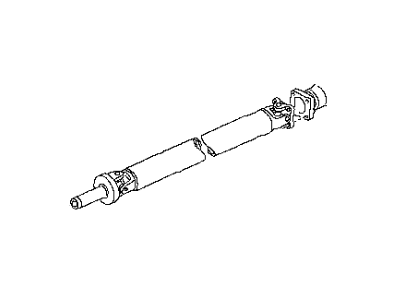
Infiniti Shaft Rear PROPELLER
Part Number: 37300-1LA0A$1149.82 MSRP: $1577.25You Save: $427.43 (28%)Ships in 1-3 Business DaysProduct Specifications- Other Name: Propeller Shaft Assy-Rear; Drive Shaft
- Position: Rear
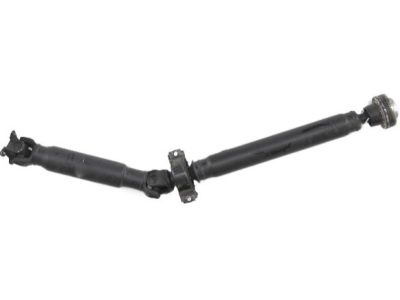
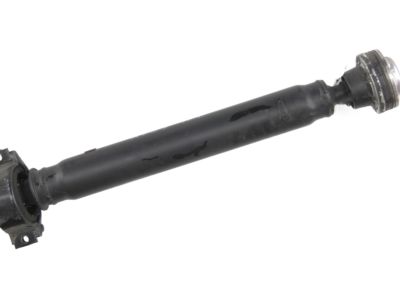
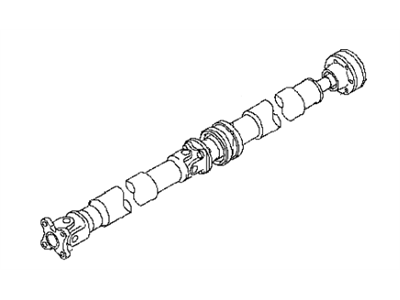
 Product Specifications
- Other Name: Propeller Shaft Assy-Rear; Drive Shaft
- Position: Rear
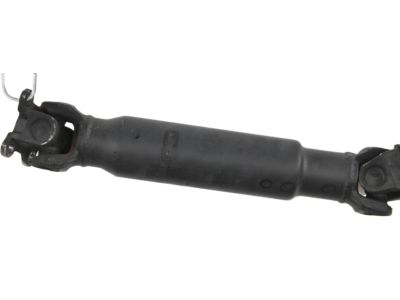
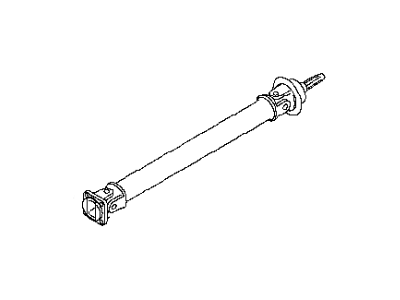 Product Specifications
- Other Name: Propeller Shaft Assy-Front; Drive Shaft
- Position: Front
| Page 1 of 6 |Next >
1-20 of 117 Results
About Infiniti Drive Shaft
An Infiniti Drive Shaft can't work normally forever, even you maintain it very well. As a luxury vehicle, you need a high quality OEM Infiniti Drive Shaft to fit it when you determine to replace the part. Our extensive inventory of Infiniti Drive Shafts are conveniently accessible through our complete online catalog with diagrams. Infiniti Parts Deal is a full line Infiniti parts department that sells only genuine Infiniti replacement parts.
Infiniti Drive Shaft Parts Questions & Experts Answers
- Q:How to inspect and check the drive shaft on the Infiniti G35?Posted by Gisela C.A:Carry the car up and support it safely on stands. Crawl below the car, look at its drive shaft to see any dents in the tube or a crack visible on it. Any presence of these requires one to replace the entire drive shaft. Look for oil leaks at the front and rear end of the drive shafts. If there is leaking around where the driveshaft enters the transmission, then this means that there is an issue with the rear seal of the transmission; if there is leaking around where the driveshaft connects to differential; this may mean that your pinion seal is defective while if at all there is leaking around entrances into transfer case (AWD models) - your transfer cases' seals could be faulty. In addition to that, while under raise an assistant turn back wheel so that it would make a rotating motion of driveshaft. At this point ensure universal joints are not functioning properly by checking their free movement without making sound or being loose. Also in case a drive shaft does not move, you can test how universal joints are working by holding hands on either side of each coupling and twisting it cautiously. If it has just a little play on whichever side, then most likely it needs changing. Additionally, lifting upwards at any stage might reveal activity within them as well. Lastly, ensure that you have tightened up all your bolts which hold your drive shaft on both ends.Answered by Infiniti Parts Specialist Bill / Sep 28, 2025
Related Infiniti Parts
 Infiniti Lug Nuts
 Infiniti Wheel Stud
 Infiniti Valve Body
 Infiniti Wheel Bearing
 Infiniti Wheel Hub
 Infiniti Axle Shaft
 Infiniti Transfer Case
 Infiniti Wheel Seal
 Infiniti Clutch Disc
 Infiniti Shift Cable
 Infiniti Shift Indicator
 Infiniti Torque Converter
Browse by Model
EX35 Drive Shaft EX37 Drive Shaft FX35 Drive Shaft FX37 Drive Shaft FX45 Drive Shaft FX50 Drive Shaft G25 Drive Shaft G35 Drive Shaft G37 Drive Shaft J30 Drive Shaft JX35 Drive Shaft M30 Drive Shaft M35 Drive Shaft M35h Drive Shaft M37 Drive Shaft M45 Drive Shaft M56 Drive Shaft Q40 Drive Shaft Q45 Drive Shaft Q50 Drive Shaft Q60 Drive Shaft Q70 Drive Shaft Q70L Drive Shaft QX30 Drive Shaft QX4 Drive Shaft QX50 Drive Shaft QX55 Drive Shaft QX56 Drive Shaft QX60 Drive Shaft QX70 Drive Shaft QX80 Drive Shaft